Seeing Spots or Shadows in Your Vision? Understanding E...
Seeing Spots or Shadows in Your Vision? Understanding Eye Floaters and How They Develop
...
August 18, 2026

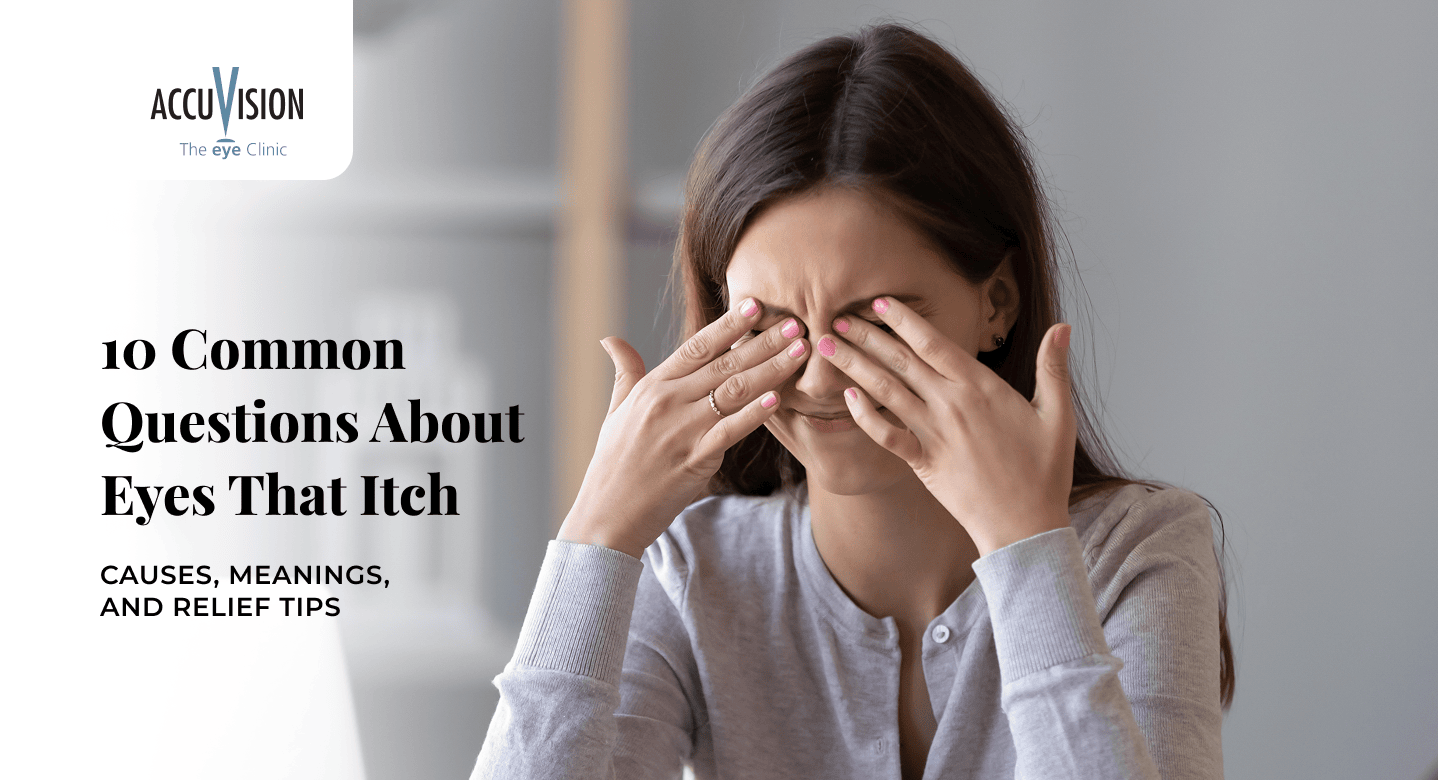
If you’ve ever struggled with the urge to rub your eyes during an important meeting or woken to that persistent itch that disrupts your morning, you’re far from alone. Itchy eyes represent one of the most frequent concerns in optometry practices, affecting concentration, sleep quality, and daily comfort.
This guide addresses the questions we encounter most often about itchy eyes, offering evidence-based information to help you identify potential causes and appropriate responses. Please note that this content serves educational purposes only and does not replace professional medical advice. For persistent eye symptoms, we recommend booking a comprehensive eye examination at AccuVision.
The primary culprit behind itchy eyes is histamine, a chemical released when your immune system detects substances it perceives as threats, such as pollen, dust mites, or pet dander. This triggers inflammation in the blood vessels of your eyes, creating that characteristic itching sensation.
However, allergies only provide a partial explanation. Several common eye conditions also cause ongoing itching:
Dry eye Syndrome is one of the most common reasons for persistent eye itching. Develops when tear production proves insufficient or tears evaporate too rapidly. Without adequate lubrication, the eye surface becomes irritated, producing itching alongside grittiness and burning sensations.
Blepharitis is a frequent cause of itchy and irritated eyes. Deserves particular attention as one of the most common yet frequently overlooked causes of chronic eye itching. This condition involves inflammation of the eyelid margins due to bacterial overgrowth or dysfunction of the oil glands along the lash line. Symptoms include persistent itching, crusting around the lashes, and a sensation of something in the eye. Unlike seasonal fluctuations in allergies, blepharitis typically causes ongoing discomfort and necessitates professional attention.
Certain skin conditions can directly affect the eyes. Such as eczema, psoriasis and rosacea are often linked with itchy eyes. When the skin barrier around the eyelids becomes inflamed or compromised, the eye surface is more prone to irritation, itching, redness and sensitivity. These skin conditions commonly coexist with blepharitis and dry eye, and require a combined dermatology and eye care approach.
Every day, environmental triggers can also cause significant eye irritation. such as smoke, chlorine, air pollutants, and everyday chemicals, can also irritate the eyes
Improper contact lens use is another common cause of itchy eyes. can lead to itching due to protein buildup, poor lens hygiene, or prolonged lens wear.
These causes may occur individually or together, and identifying the exact trigger is important for effective treatment.
Several daily habits expose the eyes to irritants or allergens that significantly worsen itching, even in people without seasonal allergies. Hidden triggers include:
These seemingly harmless exposures often cause persistent itching or worsen existing symptoms. Identifying and reducing these triggers can make a significant difference in comfort and long-term eye health.
Asymmetric symptoms might indicate a localised allergic reaction, debris lodged in that eye, or uneven exposure to irritants, like air conditioning directed to one side. If itching accompanies visual changes or other physical symptoms, professional examination becomes essential to rule out conditions requiring intervention.
More important than which eye is affected are contextual factors, such as the timing of symptoms, whether certain activities or products worsen the condition, and the presence of accompanying redness or discharge. The diagnostic value of these details surpasses the distinction between left and right eye involvement.
Yes. While allergies typically cause itching, sometimes the allergic response primarily affects blood vessels, creating redness without causing significant discomfort.
Several conditions produce painless redness:
Persistent redness without other symptoms warrants a comprehensive examination to exclude underlying conditions requiring attention.
Many people experience heightened itching at bedtime for several reasons:
Regular washing of bedding in hot water and choosing hypoallergenic pillow protectors can significantly reduce this trigger.
This is particularly crucial for children and young adults. While rubbing provides momentary relief, it creates several problems:
Chronic eye rubbing, especially during childhood and the teenage years, can gradually change the shape and strength of the cornea. This can lead to corneal distortion and long term vision problems such as blurred vision and increased sensitivity to light which requires medical treatment. It is particularly important to address frequent eye rubbing in younger individuals, since the eye is still developing during these years.
It is important to see an eye specialist who can identify the precise cause and recommend targeted treatment if any of the following symptoms occur:
An eye care specialist can identify the precise cause and recommend targeted treatment.
Though dry eye and allergic eye itching often occur together, they are two different conditions with different causes and treatments. Understanding the difference helps in choosing the right care.
| Feature | Dry Eye | Allergic Eye Itching |
|---|---|---|
| Cause | Tear production is insufficient, or tears evaporate too quickly | Exposure to allergens such as pollen, dust, or pet dander |
| Sensation | Burning, grittiness, irritation, and sometimes excessive watering | Intense itching often described as a crawling sensation |
| Other Symptoms | Blurred vision and discomfort that worsens with screens or reading | Redness, swelling, sneezing, or nasal allergies |
| Treatment Approach | Lubricating eye drops and hydration | Antihistamine or anti allergy eye drops |
These conditions can overlap because chronic allergic inflammation affects tear production, and an unstable tear film can increase sensitivity to allergens. A professional eye evaluation helps determine which problem is the primary cause of symptoms.
Extended screen use reduces blinking from 15 to 20 times per minute to as few as 5 blinks per minute. This prevents tears from spreading evenly across the eye surface, creating dry patches that feel itchy.
A simple change in your work routine helps support the tear film:
Cold compresses provide effective immediate relief by constricting blood vessels and reducing inflammation. Soak a clean cloth in cold water, squeeze out excess, and apply to closed eyelids for 10 to 15 minutes.
Preservative-free artificial tears wash away allergens whilst supplementing your tear film. Use only after and as directed by your eye care professional.
Eyelid hygiene is more crucial than many realise, particularly for blepharitis management. Gently cleaning eyelid margins with warm water or specialised cleansers removes allergens, debris, and bacterial buildup that contributes to itching and inflammation.
Reduce allergen exposure:
Itchy eyes affect millions, with causes ranging from environmental allergens and blepharitis to dry eye syndrome and prolonged screen exposure. Understanding potential triggers empowers appropriate responses.
Most cases respond well to cold compresses, preservative-free artificial tears, avoiding eye rubbing (especially crucial for young people), improved eyelid hygiene, and reducing allergen exposure through practical environmental modifications.
However, persistent symptoms or those affecting quality of life warrant a comprehensive eye examination. Our specialists can identify specific causes and recommend treatments that provide lasting relief while protecting long-term eye health.
This content was reviewed by the clinical team at AccuVision The Eye Clinic, a trusted UK-based centre for comprehensive laser vision correction and specialised eye care. With expert Ophthalmologists and Optometrists across the UK, AccuVision ensures that every article reflects accurate, medically reviewed information and supports evidence-based eye health awareness. This content is for general educational purposes only and should not be construed as medical advice. Always consult a qualified eyecare professional for personalised guidance and treatment for specific conditions.
1. Why do my eyes still itch after using eye drops?
Some drops, particularly those containing preservatives, can cause irritation. If you’re using antihistamine drops but symptoms stem from dry eye rather than allergies, they may worsen the condition. Book an appointment at AccuVision The Eye Clinic for a proper diagnosis and treatment.
2. Can food allergies make your eyes itch?
Yes, food allergies occasionally cause eye symptoms as part of broader reactions. However, environmental allergens like pollen and dust mites far more commonly cause isolated eye symptoms.
3. How can I tell if my makeup is causing itchy eyes?
Persistent itching following makeup application suggests ingredient sensitivity. Switch to hypoallergenic, fragrance-free products labelled ophthalmologist-tested, ensure thorough removal each evening, and avoid applying products too close to the lash line. Consult an eye specialist if symptoms persist.
4. How long does it usually take for itchy eyes to improve?
This depends on the cause. Allergic itching often improves within hours of appropriate treatment. Dry eye and blepharitis typically require several weeks of consistent management. If symptoms haven’t improved after one week of home treatment, seek professional evaluation.